(To see other currencies, click on price)
MORE ABOUT THIS BOOK
Main description:
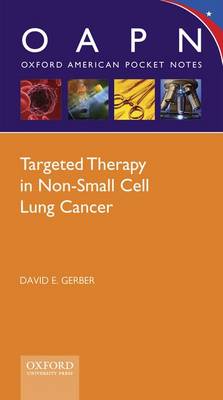
The past decade has brought an unprecedented focus on the development and clinical utility of targeted therapies in all areas of medicine. This is both a cause and a consequence of realizing the importance of understanding each patient's disease based not only on presenting signs and symptoms, but also, crucially, on fundamental molecular mechanisms. Nowhere has this phenomenon been more prevalent than in oncology.
Dysregulation of various membrane receptors, signaling pathways, and other factors occurs frequently in many human malignancies, including breast cancer. Therapeutic approaches targeting these molecules and the selective estrogen receptor modulators and aromatase inhibitors have been demonstrated to have higher efficacy than conventional therapy agents in the treatment of breast cancer. The development of monoclonal antibodies and other inhibitors of specific molecules, fully utilizing the
insights learned from molecular techniques such as comparative microarrays and protein expression patterns, has led to the development and FDA approval of several agents for the treatment of breast cancer, such as trastuzamab (Herceptin, targeting HER-2 positive tumors) and lapatinib (Tykerb, targeting
tumors with mutated/overexpressed EGFR 1 and 2). Other agents specifically targeting the estrogen receptor, the aromatose pathway and microtubule dynamics, fulvestrant (Faslodex, targeting the ER specifically in breast cancer cells), and letrozole (Femara, targeting the aromatose pathway), raloxifene (Evista, a selective estrogen receptor modulator), ixabepilone (Ixempra, a ?-tubulin inhibitor) have also been approved for various stages and specific settings in breast cancer treatment. The
current challenges in the field include further targeting of these agents as part of specific strategies for each patient (biomarker testing, pharmacogenetics, etc.), as well as follow-up and management of adverse events
The Oxford American Pocket Notes: Targeted Therapies in Breast Cancer will provide clinicians with the ultra-concise, evidence-based, current information and insight on implementing the latest treatment strategies, including targeted agents, into clinical practice. This portable volume will act as a quick, easily accessible guide for the practicing oncologist, oncology care staff (including nurses and PAs) as well as the primary care practitioner, on the mechanism of action, dosing
and administration and adverse effects of the approved targeted agents. The volume features multiple illustrations and tables to highlight key concepts and increase the utility of this resource in clinical practice.
Contents:
1. Introduction (epidemiology, molecular pathways)
2. Diagnosis and classification (pathological status, biomarkers (HER-2, EGFR, etc.), ER - includes discussion on triple negative status)
3. Key clinical studies
4. Approaches to treatment - mechanisms of action of available inhibitors angiogenesis agents, patient selection (tools and algorithms), sequencing of agents, adverse effects, follow-up and management
5. Triple negative disease and other challenges
6. Emerging therapeutic targets in breast cancer (i.e. Src, cell cycle, mTOR, TNF, etc.)
7. Dosing and administration guidelines for currently approved agents
8. Provider and patient resources
9. References
PRODUCT DETAILS
Publisher: Oxford University Press (Oxford University Press Inc)
Publication date: September, 2011
Pages: 48
Weight: 48g
Availability: Available
Subcategories: Diseases and Disorders, Oncology
From the same series